Italy Travel Guide
Ancient Rome, Renaissance Florence and the Amalfi Coast — with a great meal at every stop.
Updated October 2026
Why visit Italy
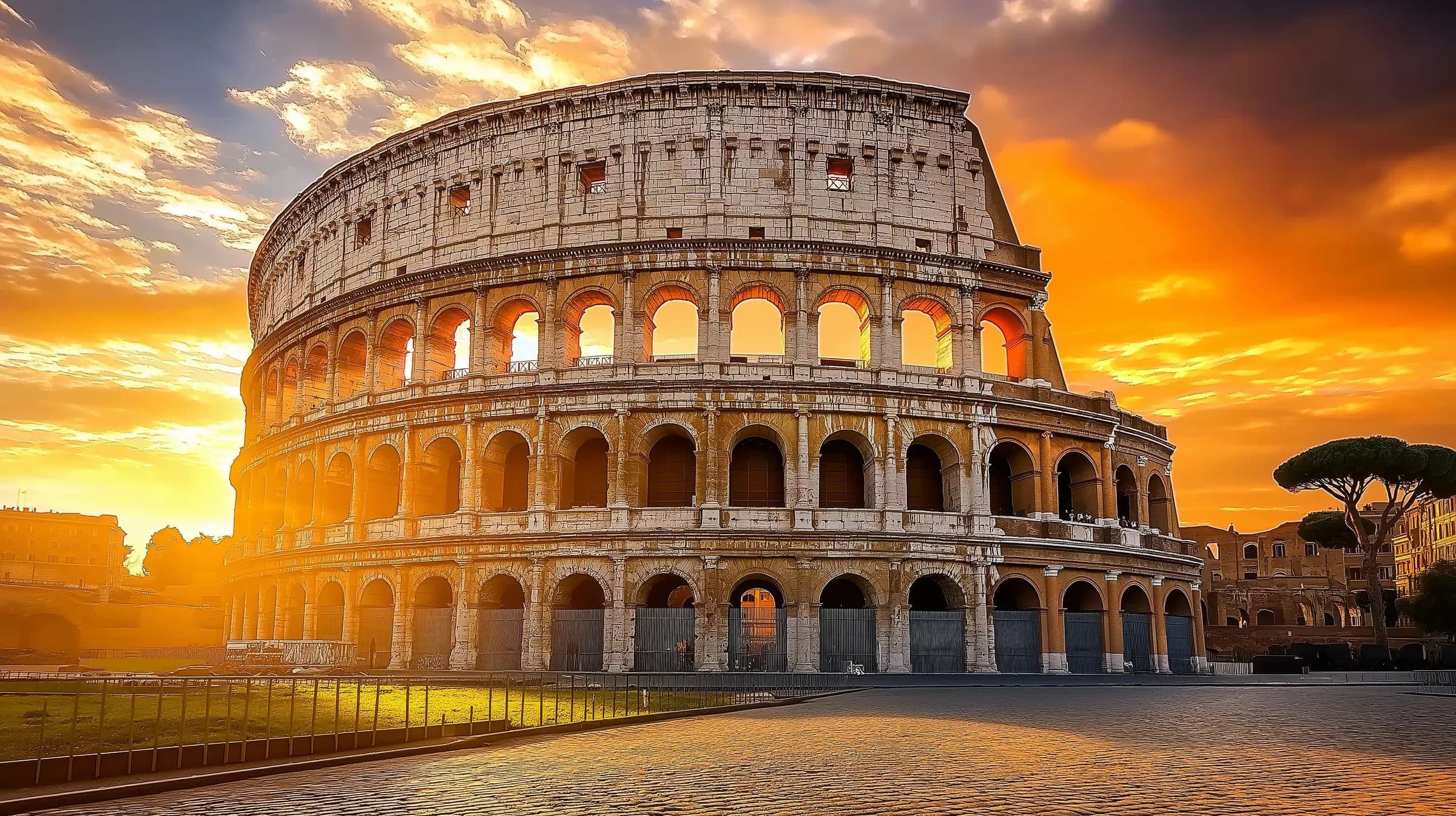
Few countries pack as much into a single trip as Italy. Mornings at the Colosseum and the Vatican, afternoons among Michelangelo and Botticelli in Florence, evenings on a gondola in Venice — and between them, regional food that changes every hundred kilometres, from Neapolitan pizza to Bolognese ragù.
Fast trains connect Rome, Florence, Venice, Milan and Naples in a few hours, so a classic first route covers four or five cities in under two weeks. Add the Amalfi Coast or the lakes of the north for slower days by the water. This guide covers when to go, how to get around and how to stay online the whole way.
Internet & eSIM
Staying connected in Italy
In Italy your phone does a lot of the work: navigating Rome's maze of streets, showing timed museum tickets at the entrance, checking train platforms and translating menus. Hotel and café Wi-Fi is common but patchy, and it won't help on a train between cities or while you're queuing at the Vatican.
If your home mobile plan is from outside the EU, roaming in Italy can be expensive. A Viberest eSIM gives you local data from the moment you land: install it at home with a QR code, switch it on at the airport, and keep your own SIM active for calls and verification texts. Travellers with an EU plan usually roam at home rates, so an eSIM mainly helps if you need more data than your plan includes.
- Install before departure, turn on when you land
- Keep your own number active for WhatsApp and SMS codes
- Use the data for maps, e-tickets and translation all day

Viberest eSIM
Stay connected in Italy

Flights to Italy
Compare prices from hundreds of airlines and travel sites.
Tours & activities
Top things to do in Italy
 Tours
ToursVatican Museums, Sistine Chapel & St Peter’s Basilica Guided Tour
Rome, Italy
3 hours
3 hoursFree cancellation
from $79
 Tours
ToursSkip-The-Line Vatican Museums,Sistine Chapel & Optional Basilica
Vatican City, Italy
1 hour
1 hourFree cancellation
from $56
 Tours
ToursSkip-the-Line Group Tour of the Vatican, Sistine Chapel & St. Peter's Basilica
Rome, Italy
3 hours
3 hoursFree cancellation
from $23
 Tours
ToursColosseum Arena Floor, Forum & Palatine Hill Guided Tour
Rome, Italy
2.5 hours
2.5 hours
from $102
 Tours
ToursRome: Colosseum Guided Tour with Roman Forum and Palatine Hill
Rome, Italy
2 hours
2 hours
from $62
 Tours
ToursRome 3H Private Golf Cart Tour with Pick Up and Drop Off Included
Rome, Italy
3 hours
3 hoursFree cancellation
from $50
 Tours
ToursColosseum, Roman Forum & Palatine Hill Visit with Audio Guide App
Rome, Italy
2 hours
2 hours
from $29
 Tours
ToursRome: Colosseum, Roman Forum, and Palatine Hill 3-Hour Tour
Rome, Italy
3 hours
3 hours
from $21
Bookings are made with our partner Viator. Viberest may earn a commission when you book through these links, at no extra cost to you.
Where to go
Popular cities in Italy
- RomeThe Colosseum, the Vatican and two thousand years of history on every corner.Things to do in Rome
- FlorenceRenaissance art, the Duomo and the hills of Tuscany on the doorstep.Things to do in Florence
- VeniceCanals, gondolas and island day trips to Murano and Burano.Things to do in Venice
- MilanFashion, design and Leonardo's Last Supper; gateway to Lake Como.Things to do in Milan
- NaplesThe home of pizza, with Pompeii and Mount Vesuvius close by.Things to do in Naples
- Amalfi CoastCliffside villages like Positano and Ravello above a turquoise sea.Things to do in Amalfi Coast
Seasons
Best time to visit Italy
April–June and September–October bring warm days and fewer crowds than midsummer. July and August are hot and busy, especially in Rome, Venice and on the coast.
- Jan — fair
- Feb — fair
- Mar — good
- Apr — great
- May — great
- Jun — great
- Jul — good
- Aug — fair
- Sep — great
- Oct — great
- Nov — good
- Dec — fair
BestGoodLess ideal
Spring · Mar–May
Mild weather and blooming gardens make spring ideal for city sightseeing. Easter week is very busy in Rome and around the Vatican.
Summer · Jun–Aug
Long, hot days for the coast and the lakes. Many Italians holiday in August — some city restaurants close, while beaches fill up.
Autumn · Sep–Nov
Warm seas in September, grape harvests in Tuscany and Piedmont, and noticeably shorter queues. November brings more rain.
Winter · Dec–Feb
Cool and quiet in the cities, with the lowest prices and short museum lines. The Dolomites and Alps offer excellent skiing.
Before you go
Italy travel tips
Book big sights ahead
The Colosseum, Vatican Museums, Uffizi and the Last Supper sell timed tickets that often run out in high season. Reserve a few days — or weeks — in advance.
Trains are the easy way
High-speed trains link the major cities quickly. Regional tickets on paper may need validating in the machine on the platform before you board.
Know the coperto
Many restaurants add a small cover charge (coperto) per person. Tipping isn't expected; rounding up for good service is a nice gesture.
Dress for churches
Cathedrals and the Vatican ask for covered shoulders and knees. A light scarf in your bag solves it.
Plugs and power
Italy uses type C, F and L sockets at 230 V. Visitors from the UK, US and many other countries need an adapter.
Entry requirements
Italy is part of the Schengen Area. The EU is introducing new digital border checks (EES and ETIAS) for non-EU visitors — check what applies to your passport before you travel.
EU travel informationItaly packing checklist
0/7FAQ
Italy travel questions
Do I need an eSIM for Italy?
If your mobile plan is from outside the EU, an eSIM is usually far cheaper than roaming and gives you data for maps, e-tickets and translation from the moment you land. Travellers with an EU plan can often roam at home rates, but may still want an eSIM for extra data.
Will my phone work with an Italy eSIM?
Most recent iPhones, Google Pixel and Samsung Galaxy phones support eSIM. Your phone also needs to be carrier-unlocked — you can usually check under Settings → Mobile/Cellular → Add eSIM.
Which mobile networks does the Viberest Italy eSIM use?
Our Italy plans connect through TIM, Iliad and Wind, with 5G where available — the same networks local residents use.
When is the best time to visit Italy?
April to June and September to October offer the best balance of good weather and manageable crowds. July and August are hot and busy; winter is quiet and cheaper for city breaks.
How many days do I need in Italy?
Ten days to two weeks covers a classic route of Rome, Florence and Venice with a day trip or two. With a week, focus on two cities rather than rushing through four.
Is tipping expected in Italy?
No. Service is usually included or a cover charge is added. Leaving small change or rounding up for great service is appreciated but not required.
 Viberest eSIM
Stay online in Italy
- Maps, translation & messaging — no roaming fees
- Install by QR in minutes, keep your own number
- Delivered to your email right after checkout
Keep exploring