France Travel Guide
Paris cafés, Riviera beaches, Loire châteaux and some of the world's best food and wine.
Updated October 2026
Why visit France
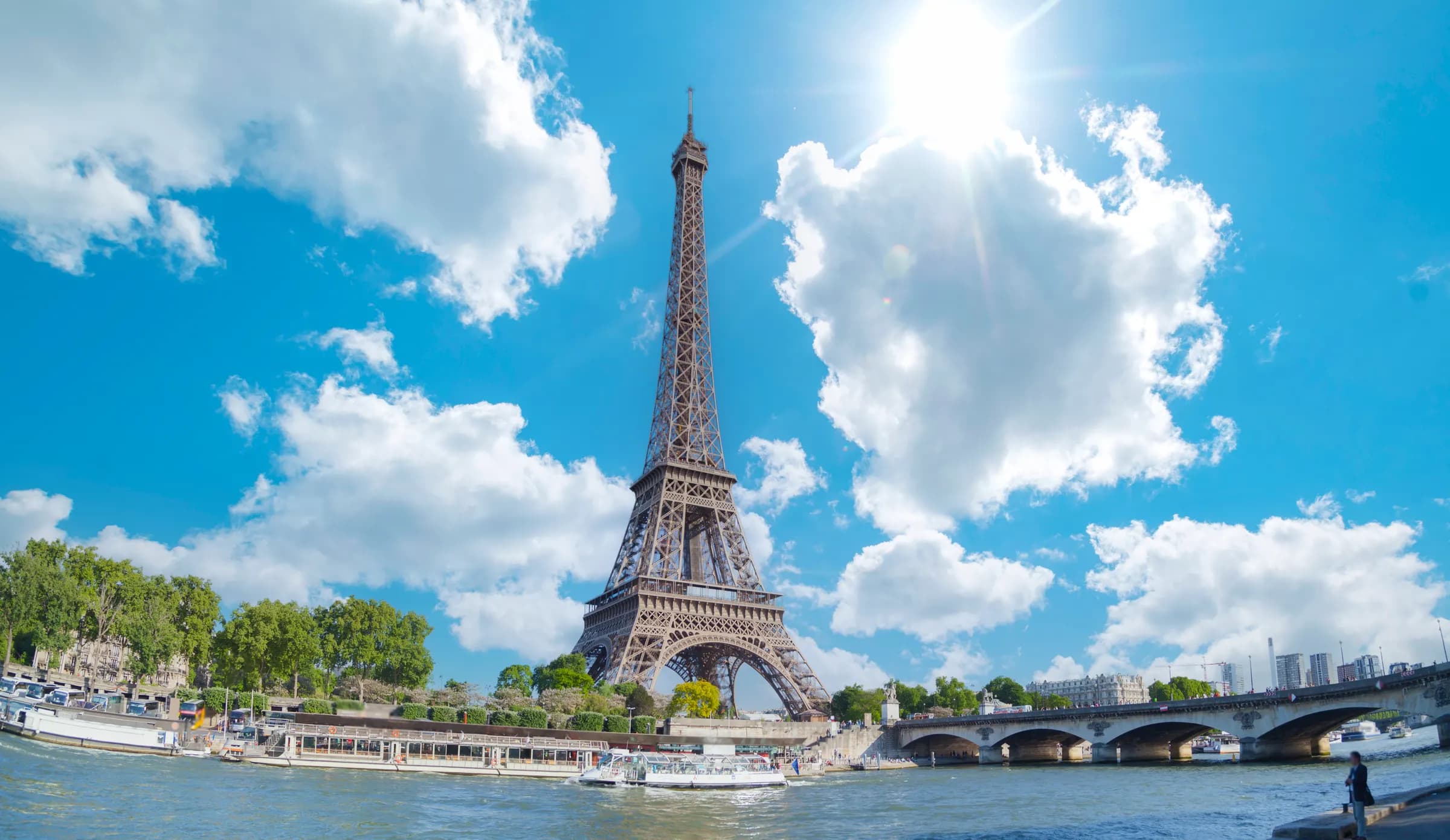
France is the most visited country in the world for good reason. Paris alone could fill a week — the Eiffel Tower, the Louvre, Montmartre and long lunches on café terraces — but the rest of the country is just as rewarding: lavender fields in Provence, the glamour of Nice and Cannes, Bordeaux's vineyards and the medieval streets of Strasbourg.
The TGV high-speed network puts Lyon, Marseille, Bordeaux and Strasbourg within a few hours of Paris, so it's easy to combine the capital with a region or two. This guide covers when to go, how to get around and how to keep your phone online without roaming surprises.
Internet & eSIM
Staying connected in France
From booking a museum slot at the Louvre to finding the right Métro exit, a working phone makes France much easier. Free Wi-Fi is available in many cafés, hotels and some stations, but it usually needs a login and won't follow you onto the TGV or through the vineyards.
If your mobile plan is from outside the EU, roaming in France can get expensive fast. A Viberest eSIM gives you local data from the moment you land: scan the QR code at home, switch it on after landing, and keep your own SIM active for calls and texts. EU travellers usually roam at home rates and may only need an eSIM for extra data.
- Install before departure, turn on when you land
- Keep your own number active for WhatsApp and SMS codes
- Plenty of data for maps, Métro routes and translation

Viberest eSIM
Stay connected in France
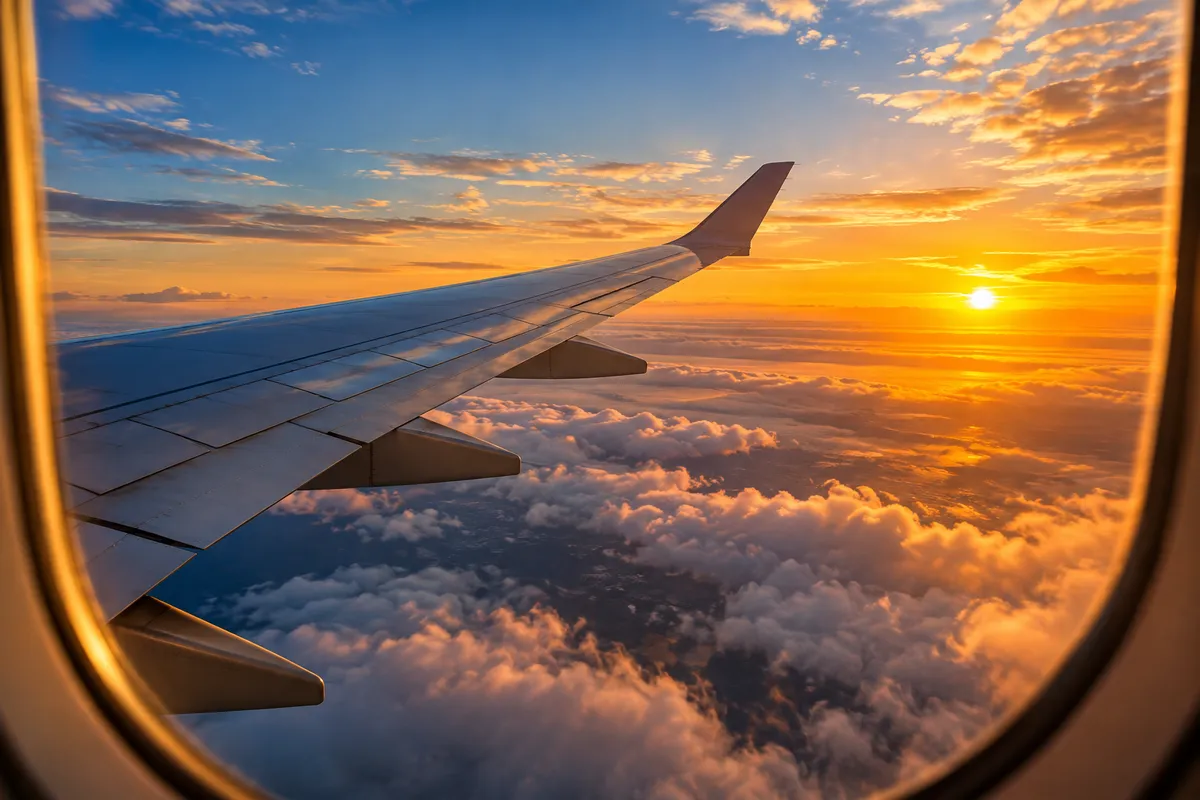
Flights to France
Compare prices from hundreds of airlines and travel sites.
Tours & activities
Top things to do in France
 Tours
ToursBateaux Mouches® Dinner Cruise on the Seine River in Paris
Paris, France
3 hours
3 hoursFree cancellation
from $141
 Tours
ToursLouvre Museum Masterpieces Guided Tour with Access
Paris, France
2.5 hours
2.5 hoursFree cancellation
from $72
 Attractions
Eiffel Tower Reserved Access Guided Tour with Optional Summit
Paris, France
1.5 hours
1.5 hoursFree cancellation
from $57
 Tours
ToursVersailles Palace and Gardens Tour from Paris
Paris, France
3 hours
3 hoursFree cancellation
from $73
 Tours
ToursParis Big Bus Hop On Hop Off Tour with Optional River Cruise
Paris, France
2.3 hours
2.3 hoursFree cancellation
from $45
 Tours
ToursBateaux Parisiens Seine River Lunch Cruise with French Menu
Paris, France
2 hours
2 hours
from $148
 Tours
ToursSeine River 1-Hour Sightseeing Cruise from the Eiffel Tower
Paris, France
1 hour
1 hourFree cancellation
from $39
 Tours
ToursLouvre Museum Premium Guided Tour 6 GUESTS MAX Entry Included
Paris, France
2.5 hours
2.5 hoursFree cancellation
from $72
Bookings are made with our partner Viator. Viberest may earn a commission when you book through these links, at no extra cost to you.
Where to go
Popular cities in France
- ParisThe Eiffel Tower, the Louvre and the most romantic streets in Europe.Things to do in Paris
- NiceThe Promenade des Anglais and easy trips to Monaco and Èze.Things to do in Nice
- LyonFrance's food capital, with Roman ruins and traboule passageways.Things to do in Lyon
- MarseilleOld Port, bouillabaisse and the turquoise coves of the Calanques.Things to do in Marseille
- BordeauxElegant riverside streets and world-famous wine châteaux.Things to do in Bordeaux
- StrasbourgHalf-timbered houses, canals and a famous Christmas market.Things to do in Strasbourg
Seasons
Best time to visit France
Late spring (May–June) and early autumn (September–October) are ideal: pleasant weather and fewer crowds. July and August are peak season, especially on the coast.
- Jan — fair
- Feb — fair
- Mar — good
- Apr — good
- May — great
- Jun — great
- Jul — good
- Aug — good
- Sep — great
- Oct — great
- Nov — fair
- Dec — good
BestGoodLess ideal
Spring · Mar–May
Paris blossoms in April and May. The weather can change quickly, so pack a light jacket and an umbrella.
Summer · Jun–Aug
Lavender blooms in Provence in early summer and the Riviera is at its liveliest. Many locals take holidays in August, so some city shops close.
Autumn · Sep–Nov
Wine harvests, warm seas into September and quieter museums. November is grey but great value for Paris.
Winter · Dec–Feb
Christmas markets in Alsace, skiing in the Alps and festive lights in Paris. Short days, but low prices outside the holidays.
Before you go
France travel tips
Reserve popular sights
The Louvre, the Eiffel Tower summit and Versailles use timed tickets. Booking ahead saves hours of queuing in high season.
Greet before you ask
Start every interaction with a "Bonjour" (or "Bonsoir" in the evening). It makes a real difference to the welcome you get.
Service is included
Restaurant prices include service (service compris). Leaving a few euros for excellent service is a kind extra, not an obligation.
Watch your belongings
Pickpockets work crowded Métro lines and big landmarks. Keep your phone and wallet zipped away in busy places.
Plugs and power
France uses type C and E sockets at 230 V. Visitors from the UK, US and many other countries need an adapter.
Entry requirements
France is part of the Schengen Area. The EU is introducing new digital border checks (EES and ETIAS) for non-EU visitors — check what applies to your passport before you travel.
EU travel informationFrance packing checklist
0/7FAQ
France travel questions
Do I need an eSIM for France?
If your mobile plan is from outside the EU, an eSIM is usually much cheaper than roaming and gives you data for maps, tickets and translation as soon as you land. EU travellers can often roam at home rates but may still want an eSIM for extra data.
Will my phone work with a France eSIM?
Most recent iPhones, Google Pixel and Samsung Galaxy phones support eSIM. The phone also needs to be carrier-unlocked — check under Settings → Mobile/Cellular → Add eSIM.
Which mobile networks does the Viberest France eSIM use?
Our France plans connect through Orange, with 5G where available — the same networks local residents use.
When is the best time to visit France?
May, June, September and early October offer mild weather and fewer crowds. Summer is best for beaches and festivals; winter suits Paris, Christmas markets and skiing.
How do I get around France?
High-speed TGV trains connect Paris with most major cities in a few hours. For Provence, the Loire Valley or the countryside, renting a car gives you the most freedom.
Is tipping expected in France?
No. Service is included in restaurant prices. Rounding up or leaving a little extra for excellent service is appreciated but optional.
 Viberest eSIM
Stay online in France
- Maps, translation & messaging — no roaming fees
- Install by QR in minutes, keep your own number
- Delivered to your email right after checkout
Keep exploring